
Crystal Glasses: Your top 20 questions answered
Crystal glassware has captivated homemakers and collectors for centuries with its unparalleled clarity, brilliance, and timeless elegance. Yet many Indian customers remain uncertain about authenticity, safety, care, and whether the premium price truly justifies the investment. questions we answer comprehensively in this guide.
1. What is the difference between crystal glassware and regular glass?
Crystal glassware differs from standard glass through its refined composition, metal oxides like lead, potassium carbonate, or barium oxide replace traditional stabilizers, creating a higher refractive index that produces superior brilliance, sparkle, and rainbow prisms.
These dense minerals also allow artisans to craft thinner, more elegant designs with delicate rims while maintaining durability, making crystal noticeably heavier and more luxurious than regular glass.
2. Is crystal glassware safe to use, especially regarding lead content?
Traditional lead crystal is safe for short-term beverage consumption but poses health risks when acidic drinks (wine, juices, spirits) are stored long-term in lead vessels, as acidity causes lead leaching, particularly dangerous for children and infants.
3. What materials are crystal drinking glasses made from?
Traditional crystal glassware contains at least 24% lead oxide (or 30% for "Full Lead Crystal") to achieve superior brilliance, though regulations now define strict composition standards. Modern lead-free alternatives, such as barium oxide, zinc oxide, and potassium oxide, deliver the same optical properties and elegance while ensuring safety, with popular brands like RCR, Nachtmann, and Iveo Crystalline leading the shift toward consumer-friendly, sustainable crystal products.
4. How can I identify real crystal glassware from fake or regular glass?
Identifying genuine crystal involves engaging multiple senses to test its unique physical and optical properties. Check out our detailed blog on this
5. How durable is crystal glassware compared to regular glass?
Traditional lead crystal was fragile due to its delicate thinness, but modern lead-free crystalline has closed the durability gap significantly. Engineered with stronger metal oxides like barium or zinc, contemporary crystal delivers superior scratch and abrasion resistance while retaining elegant thinness.
6. Will crystal glassware break easily?
Crystal stemware's elegant thinness and delicate rims make it vulnerable to mechanical damage, particularly at stress points like the rim and slender stem. Avoid twisting the bowl while holding the stem, and prevent accidental chipping by keeping glasses away from hard surfaces like metal taps and counters during handling and washing.
7. How long does crystal glassware typically last?
Quality crystal glassware can last for decades and become cherished family heirlooms when properly maintained. The primary threat to longevity is etching, permanent clouding caused by harsh detergents, high heat, or hard water mineral deposits. With gentle cleaning practices and proper storage, crystal maintains flawless clarity indefinitely, while modern lead-free crystalline options offer even greater durability and dishwasher safety for extended everyday use.
8. What makes crystal glassware worth the premium price?
Crystal glassware's premium cost reflects advanced engineering, superior sensory qualities, and aesthetic craftsmanship. Ultra-thin, delicate rims enhance beverage flavor perception and clarity, while engineered materials like barium and zinc deliver brilliance and durability without lead.
The investment secures a versatile product offering unmatched luxury and elegance for formal settings, balanced with modern durability and safety for reliable daily use in contemporary homes.
9. How should I clean crystal glassware properly?
While modern crystal offers versatility, diligent cleaning protocols are essential to maintaining its brilliance. Handwashing, while labor-intensive, remains the safest method to maximize the lifespan and clarity of any crystal piece.
10. Can crystal glassware go in the dishwasher?
Yes, modern lead-free crystalline produced by reputable brands is typically safe for the dishwasher.
11. How do I prevent clouding or discoloration on crystal glasses?
Clouding and discoloration are typically a result of chemical etching or mineral deposition, not material degradation, and are largely preventable through conscious maintenance strategies that include managing water quality, preventing chemical damage and maintaining temperature consistency.
12. What is the best way to store crystal glassware?
Store crystal glassware upright in padded or lined cabinets to prevent physical damage and surface abrasion - avoid stacking stemware unless specifically designed for it. Maintain a controlled environment in low-traffic, dry locations away from direct sunlight, high heat, and vibrating appliances like dishwashers or ranges, which can cause stress cracks. Glass display cabinets with soft LED lighting protect crystal while showcasing its brilliance safely.
13. Does using crystal wine glasses actually enhance the taste of wine
Yes, using crystal wine glasses significantly enhances the overall tasting experience, primarily through two scientifically validated mechanisms related to aroma and mouthfeel.
14. What are the different types of crystal glassware available?
Crystal glassware is available in numerous functional and specialized types, each designed to optimize the experience of a specific beverage:
- Stemware: This includes highly specialized glasses tailored to different wine varietals (e.g., wider bowls for red wines like Bordeaux to promote aeration, narrower bowls for white wines to preserve temperature and crisp acidity). It also encompasses champagne flutes and sherry glasses, such as the classic Longchamp sherry glasses offered by Cristal D'arques.
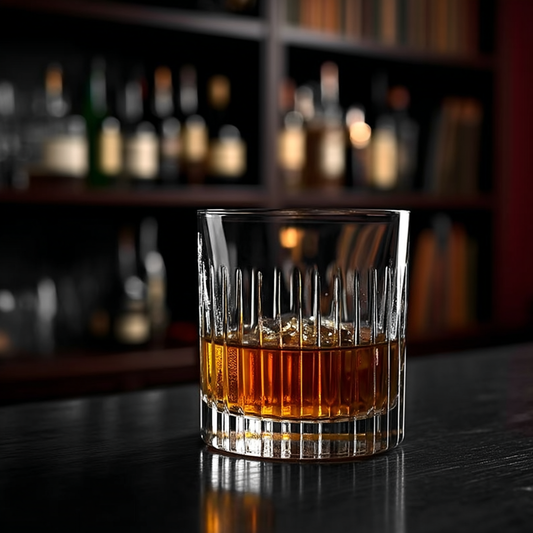
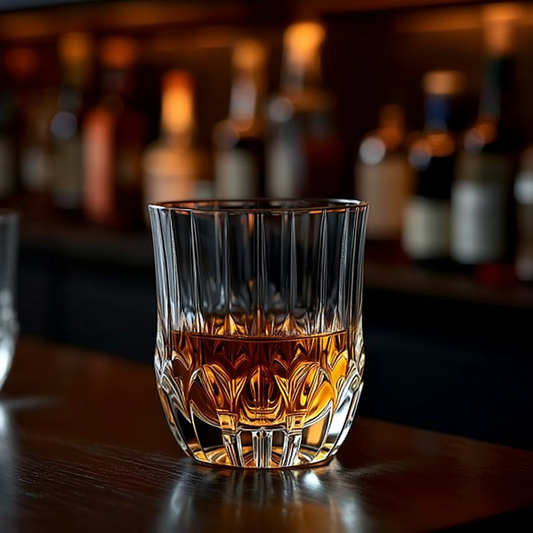
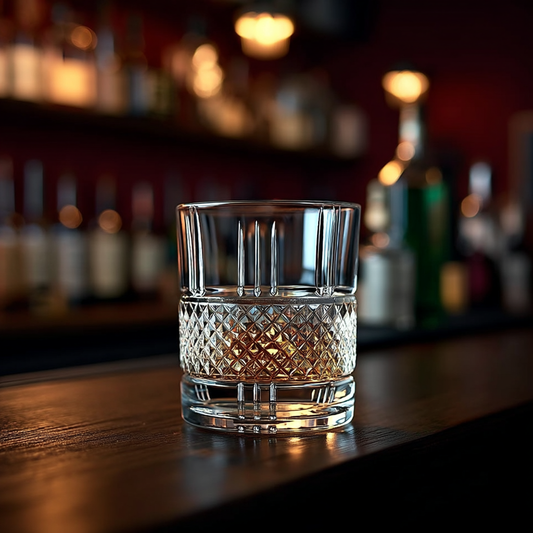
- Barware and Tumblers: These are robust, heavy-based glasses primarily used for spirits. The most popular is the Double Old Fashioned (DOF) tumbler, which is ideal for serving spirits neat or on the rocks.
- Decanters: Used for aerating mature red wines before service or for storing spirits (using caution if the decanter is traditional lead crystal).
15. Should I choose stemmed or stemless crystal glasses?
The choice between stemmed and stemless crystal glasses depends entirely on the intended use, formality, and the temperature sensitivity of the beverage. Stemmed glasses are the traditional choice for formal settings and are preferred by wine connoisseurs. Stemless glasses, on the other hand, are highly practical and have gained immense popularity for casual, everyday use.
16. Are crystal glasses suitable for daily use or special occasions only?
Historically, traditional lead crystal was reserved for special occasions due to its cost, fragility, and the complexity of its specialized cleaning requirements
17. What are the most popular crystal brands available in India?
The Indian market features international brands known for blending European heritage with modern, lead-free technology:
- RCR Cristalleria Italiana: A highly respected brand known for its proprietary Luxion glass, RCR emphasizes perfect transparency, extreme resistance, and guaranteed dishwasher safety. They are particularly popular for their durable whiskey tumblers (DOF glasses) which combine timeless style with everyday functionality.
- Nachtmann: Rooted in Bavaria with a history spanning almost 200 years, Nachtmann is synonymous with "Made in Germany" quality and excellent design. The brand focuses on high-quality, lead-free crystal glass, offering a touch of luxury for modern life.
- Cristal D'arques: This brand represents French elegance and craftsmanship. Collections like Longchamp offer classic designs in lead-free crystal glass that are confirmed to be dishwasher safe, suitable for both special occasions and daily events.
- Iveo Crystalline: A brand that highlights the synthesis of brilliance and resilience. Iveo’s crystalline glassware features intricate hand-cut detailing, superior clarity, and is made from high-grade, lead-free material, establishing it as a strong choice for contemporary Indian bar and dining experiences.
18. How do I value or authenticate old or antique crystal glassware?
The valuation and authentication of antique crystal require preliminary sensory assessment followed by expert consultation.
19. What certifications should I look for when buying crystal glassware?
When purchasing premium crystal, the most reliable guarantee for the consumer is the manufacturer’s certification that the product is 100% lead-free and complies with stringent international food contact material standards. The advent of modern, lead-free crystalline has fundamentally changed this usage paradigm.
20. Where can I find quality crystal glassware at reasonable prices in India?
Purchase crystal glassware from specialized e-commerce platforms focused on premium home goods, such as carryhome.in, which curate authentic products from renowned international brands like RCR, Nachtmann, and Iveo Crystalline. These certified retailers guarantee 100% genuine, lead-free products with assurance of material safety and authenticity, offering convenient pan-India shipping for quality crystal purchases.