
Crystal vs Glass: Shine, Strength, and When Each Makes Sense
Crystal and glass are two of the most eye-catching ways to serve drinks, instantly adding a touch of celebration and luxury to the table. Whether it’s a casual dinner or a formal event, both materials look and feel special in the hand.
So what really sets crystal and glass apart, and is one actually “better” than the other? If you’re trying to style your table properly, it helps to understand how they differ and where each one shines. This guide breaks down those differences in a simple way so you can choose the perfect drinkware for your next meal or party.
What separates Crystal and Glass?
Crystal and ordinary glass aren’t totally different worlds, crystal is really a “leveled‑up” version of regular glass, which is why they can look and feel so similar at first glance. The real differences start to show when you look a bit closer, and that’s where each material’s unique character truly comes through.
How are they made?
At first glance, glass and crystal can look almost identical, but the real differences start at the microscopic level.
- Glass: Glass is a man‑made ceramic material with a very random internal structure. Instead of having neat, repeating patterns like natural crystals, its particles are jumbled and irregular, and this messy arrangement stays “frozen” in place once the glass cools and hardens.
- Crystal: The word “crystal” for drinkware is a bit misleading, because these glasses aren’t like the natural crystals used in jewellery. Instead, crystal glassware is really high‑grade glass that’s been boosted with metal additives (originally lead, now usually barium or zinc) to make it shine and sparkle more, without the old lead‑related safety concerns.
How Long They Last:
Both regular glass and crystal glassware need gentle handling if you want them to last for years. However, in everyday use there is still a clear difference in how hard each material is, which affects how resistant they are to scratches and damage.
- Glass: The Mohs scale is a standard way to compare how hard different materials are. Although durability can vary with manufacturing, typical everyday glass usually measures around 6.5 out of 10 on this scale when it’s newly made.
- Crystal: The hardness of crystal glass can change depending on which metal additives are used and how the glass is made. These additives, like lead, zinc, or barium, boost the shine and brilliance of the glass, but they also tend to make it slightly softer overall than standard glass.
How Long They Last:
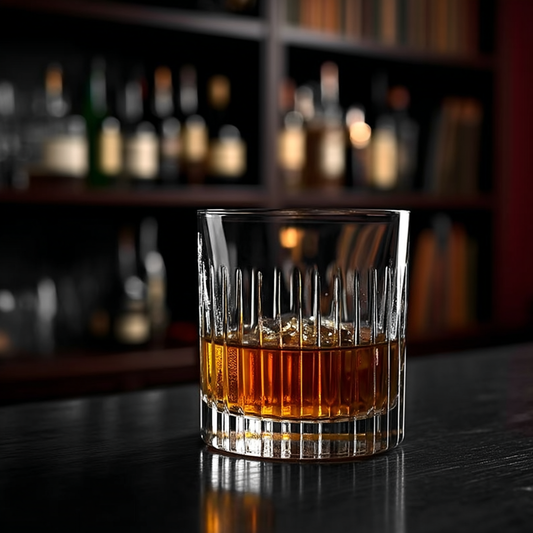
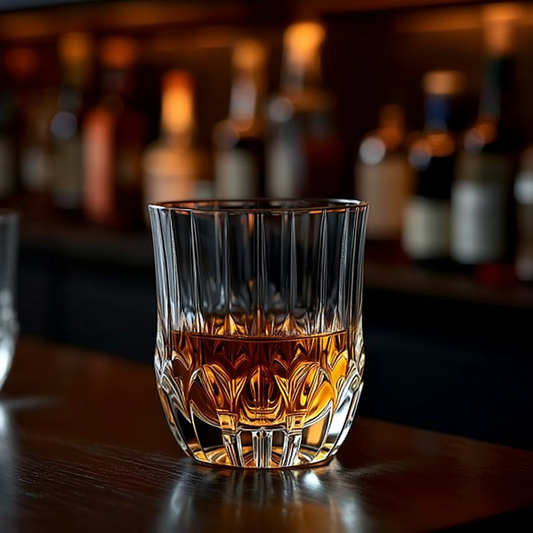
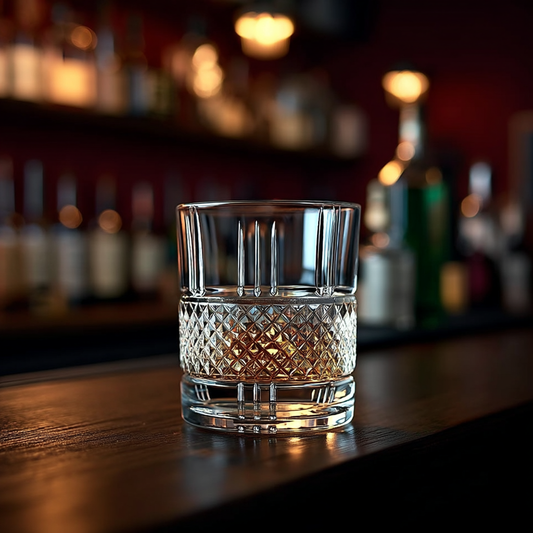
Crystal glass may be a bit easier to break than regular glass, but the trade-off is a much more beautiful, light-catching look. By adding metal alloys, makers boost crystal’s shine and make it easier to cut, engrave, and decorate, which is why those intricate, regal patterns became the signature style of fine crystal.
Rather than asking which of them is “better,” it helps to think about how and where you will use your drinkware - busy family dinners, special celebrations, home bar styling, or heirloom pieces for display. With that clarity, you can mix and match: sturdy glass for daily routines, crystal for moments when you want the experience, the table, and the drink itself to feel truly elevated